
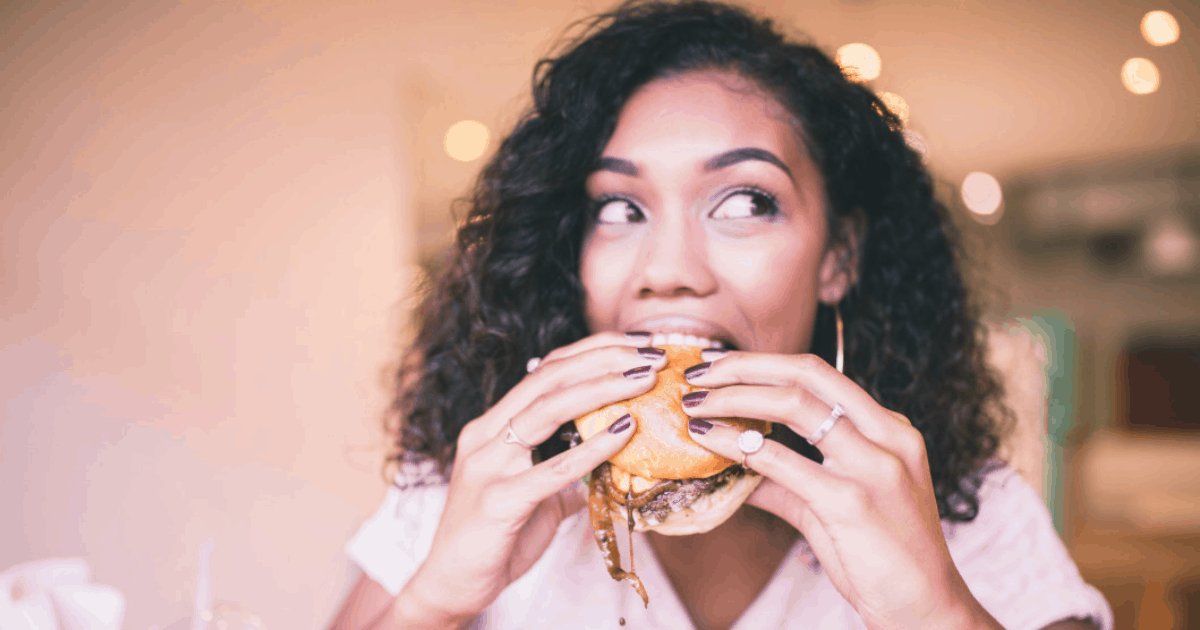
What Can I Eat When Breastfeeding?
What foods can I eat when breastfeeding?
The short answer is: anything that sounds good!
Shortest. Blog. Ever.
Oh, you’re still reading? Okay! When it comes to a mother’s diet during breastfeeding, we hear the craziest stories from our clients about foods they were told to avoid. (And as a reminder, we are not licensed medical care providers and nothing in this blog or ever should be construed as medical advice.)
One of my favorites? A newly-postpartum mother was told she shouldn’t eat pickles right before letting her baby nurse because it would make her breast milk sour. Um, nope! That’s not how this works.
So instead of old wives tales, let’s share some evidence-based information about which foods and drinks you can and should eat in breastfeeding.
Your baby’s interest in the food you eat began in pregnancy. Your diet started flavoring your amniotic fluid, which your baby swallowed. And yes, the food you eat while breastfeeding may also flavor your milk. But guess what? Babies seem to prefer flavored milk! For instance, in a research study, babies nursed twice as long when the mother had eaten garlic (Beauchamp & Mennella, 2011). That means that if you are longing for spicy foods, you’re in the clear.
Most researchers agree chocolate, coffee, tea and sodas with caffeine can also be enjoyed (in moderation) while breastfeeding and there is no evidence that caffeine consumption decreases milk supply.
What about alcohol?
There are a lot of factors to consider with regards to alcohol and breastfeeding: how much alcohol, how often, how soon after drinking will you feed your baby, etc? Since every person’s body metabolizes alcohol differently, we can’t really say what the “safe” amount of alcohol may be exactly. This very thorough guideline from La Leche League breaks down all of the factors to take into account.
What about all those delicious lactation cookies, teas, etc.? If you enjoy the taste, keep eating the cookies, but they’re unlikely to do anything for your milk. Eating “fatty” foods will not make your milk have more fat. (Your milk is likely already perfect.) These foods might make YOU feel better or happier in the moment and for that reason it’s totally okay to keep eating them.
Be careful of using herbs (yes, lactation tea included.) Not only are there concerns about contraindications with other medicines and conditions, but there is documented evidence of commonly popular herb that supposedly promotes lactation, negatively impacting milk supply. (I’m looking at you, fenugreek!) Discuss herbs with your lactation counselor or care provider before taking them.
Do I need to eat more calories while I’m breastfeeding?
The answer is, maybe. We often hear the advice to eat 200 – 500 extra calories while breastfeeding. And the truth is that it depends on how much you were already eating and how active you are. Studies have shown that most healthy breastfeeding women maintain an abundant milk supply while taking in 1800-2200 (or more) calories per day. A mother who is less active, has more fat stores, and/or eats foods higher in nutritional value may need fewer calories than a mom who is more active, has fewer fat stores, and/or eats more processed foods. In general, you should simply listen to your body and eat to appetite. If you are hungry, eat more!
In summary, the vast majority of foods and drinks are unlikely to have any impact at all on your breastmilk.
What your diet will impact is YOU and your mood, energy, recovery and health. Just like at any other time in your life, nutrition is a key factor in your overall health. Your diet doesn’t need to be perfect, either. It’s okay to treat yourself. Think of the breastfeeding days as an opportunity to nourish your own body the way you’re nourishing your baby’s body and all will be well.
Bored of the same old foods and looking for something new to eat? Check out: Five Healthy Recipes for Nursing Parents. To learn more helpful info sign up for our Breastfeeding Class, and join us for our monthly moms support group!
Here’s a favorite postpartum smoothie to support your recovery
Pumpkin Almond Milk Smoothie
I love Autumn, it is my favorite season. The flavors and scents are wonderful. And, to be completely honest… I secretly LOVE pumpkin everything. Other than hot and spicy fried chicken wings, pumpkin pie was one of the biggest cravings I had while I was pregnant. So naturally, when I found this pumpkin smoothie recipe that also contains almond milk, I had to try it. I was not disappointed.
Ingredients
- 1/2 cup pumpkin puree
- 1 frozen banana
- 1 cup almond milk
- 1 tablespoon agave syrup or honey or maple syrup to taste
- 1/4 tsp vanilla extract
- 1/2 tsp pumpkin spice, cinnamon, ginger, nutmeg, allspice and cloves
- crushed ice optional
Instructions
- Put all ingredients in your blender and blend until smooth.
- Serve immediately.
- Garnish Pumpkin Almond Milk Smoothie with some crushed graham crackers and a dash of cinnamon or pumpkin spice (optional).
For information on all things feeding, be sure to check out Your Complete Guide to Feeding Your Baby.

Christie Rinder is the founder of Buddha Belly Doulas, Tampa Bay's original and largest doula agency. Supporting families since 2009, she's passionate about ensuring every family has the support they need during pregnancy, birth, and postpartum. She believes in helping women recognize their own inner wisdom, strength and power.
Having served as President of the Tampa Bay Birth Network for six years and 17 years serving families as a doula and agency owner, she has a reputation for leadership, dedication and compassion. A childbirth educator, certified lactation counselor as well as a certified doula, she makes a point of ensuring mothers and their partners understand all their birthing options and what to expect on their journey. > learn more about Christie



Enjoy our popular guides to all things pregnancy, birth, postpartum and baby.

Tampa Pregnancy Guide
Your pregnancy journey is uniquely yours. From first trimester essentials to birth prep and postpartum planning, we’ll walk you through...

Your Guide to Hiring a Doula
Hiring a doula can be a game-changer, but knowing where to start isn’t always easy. This guide walks you through...
Labor & Birth Preparation Guide
Birth looks different for every family, and thoughtful preparation makes all the difference. Learn the basics of creating a birth...

Postpartum Recovery Guide
The weeks after birth are transformative and often the least talked about. Learn about: the physical and emotional sides of...