
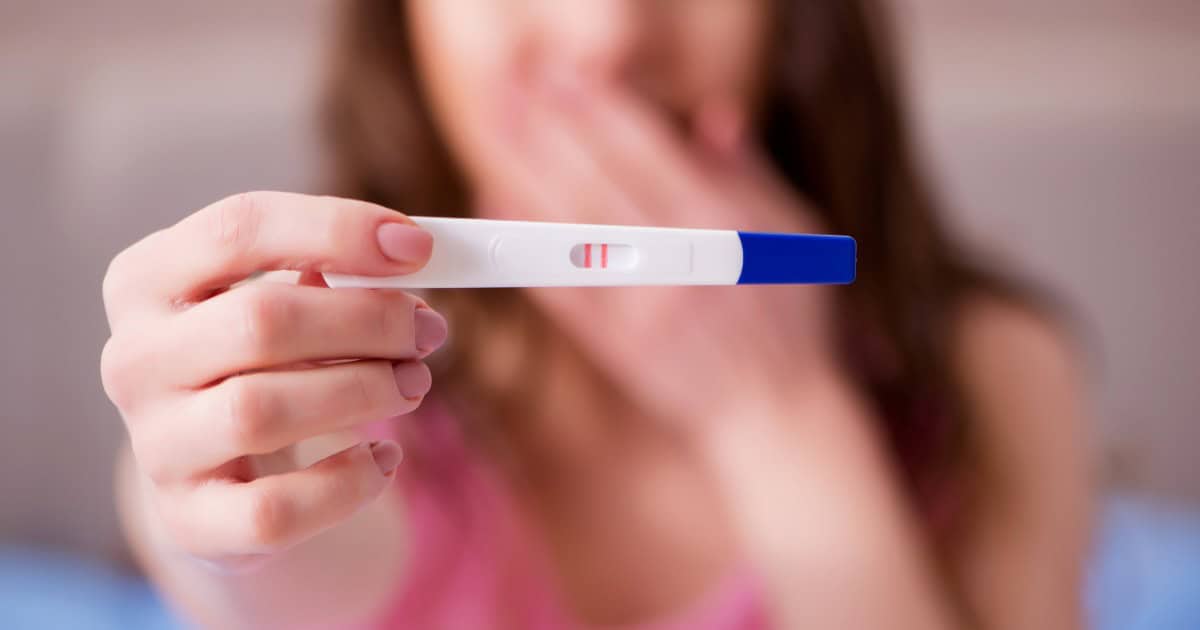
Am I Pregnant? Early Pregnancy Signs to Look Out For
Early pregnancy symptoms can start as soon as a week or two after conception, though some people don’t notice anything until they’ve missed a period.
And honestly, early pregnancy symptoms can be exciting, confusing, and even anxiety-inducing…
Sometimes all at once.
Here’s the thing: everybody is different. The early signs don’t always look the same from person to person — or even from pregnancy to pregnancy.
So how do you know what’s normal?
Let’s walk through it together. Whether you’re hoping for a positive result or simply trying to understand what’s happening in your body, you deserve clear, reassuring information.
Common Physical Symptoms of Early Pregnancy
Missed or Late Period
This is often the first and most noticeable sign of pregnancy.
If your cycle is typically regular and your period doesn’t arrive on time, it’s worth paying attention. However, stress, hormonal fluctuations, illness, or changes in routine can also affect your cycle timing. So, a late period doesn’t always mean you’re pregnant.
Implantation Bleeding & Cramping
About 6–12 days after conception, some people experience light spotting or cramping as the fertilized egg implants into the uterine lining.
Implantation bleeding is typically:
- Light pink or brown (not bright red)
- Minimal in amount (just a few spots or light streaking)
- Brief (lasting a few hours to a couple of days)
If you’re experiencing heavy bleeding, severe cramping, or sharp pain, reach out to your provider right away.
Breast Changes
One of the earliest signs of pregnancy is breast tenderness, swelling, or soreness. Your breasts might feel fuller or heavier than usual, and your areolas (the area around your nipples) may darken or become more pronounced.
These changes occur because of the surge in hormones, such as estrogen and progesterone, that happens immediately after conception.
Fatigue
Suddenly, you feel exhausted even though nothing in your routine has changed.
Rising levels of progesterone can make you feel deeply tired, sometimes as early as a week after conception.
This isn’t just “feeling a little sleepy.” This is the kind of fatigue where you could fall asleep standing up.
Nausea & Food Aversions
Morning sickness can begin as early as 4–6 weeks into pregnancy, though it doesn’t always happen in the morning (despite the name).
You might also notice:
- Intense sensitivity to smells (coffee, perfume, certain foods)
- Sudden aversions to foods you normally love
- A queasy feeling that comes and goes throughout the day
For some, nausea is mild. For others, it’s more intense. Both can be normal.
Increased Urination
If you’re suddenly making more trips to the bathroom, it could be an early sign of pregnancy.
Rising levels of hCG (human chorionic gonadotropin) and increased blood flow to your kidneys can cause you to urinate more frequently.
Mood Swings
Hormones affect your emotions, too.
You might feel tearful, irritable, anxious, or unusually emotional during early pregnancy. These mood swings are completely normal and are caused by the rapid hormonal shifts happening in your body.
Subtle Signs People Don’t Expect
Beyond the more common symptoms, some people notice subtler changes that can also signal early pregnancy:
- Metallic taste in your mouth (dysgeusia)
- Bloating that feels different from typical PMS bloating
- Heightened sense of smell that makes certain scents overwhelming
- Mild headaches or dizziness, often related to hormonal changes and increased blood flow
Not everyone experiences all (or even most) of these symptoms. Some people feel completely normal in early pregnancy. And that’s okay too.
The Best Over-the-Counter Early Pregnancy Tests
If you’re wondering whether you’re pregnant, a home pregnancy test is often the easiest and quickest way to find out.
But not all tests are created equal.
What Makes a Test “Early”?
Home pregnancy tests work by detecting hCG (human chorionic gonadotropin), a hormone produced after a fertilized egg implants in the uterus.
The term “early detection” refers to how sensitive a test is to low levels of hCG. The more sensitive the test, the earlier it can detect pregnancy—sometimes even before you’ve missed your period.
There are two main types of tests:
- Line tests: Show one or two lines (one for control, one for pregnancy)
- Digital tests: Display words like “pregnant” or “not pregnant”
Top Recommended Early Pregnancy Tests
Here are some reliable options:
1. First Response
This is one of the most sensitive tests available. It can detect pregnancy as early as 5–6 days before your missed period, though accuracy increases the closer you get to your expected period date.
Best for: Those who want to test as early as possible.
2. Clearblue Early Detection
This digital test gives you a clear “Pregnant” or “Not Pregnant” result, which can be easier to read than interpreting faint lines.
Best for: Anyone who wants clarity without the stress of analyzing a faint line.
3. Pregmate Test Strips
These are affordable, reliable test strips that are popular among people who are actively trying to conceive and want to test frequently without spending a fortune.
Best for: Budget-conscious testers or those who want to track changes over several days.
4. ClinicalGuard Strips
Another budget-friendly option that comes in bulk. These strips are effective for early detection and are frequently used by those tracking ovulation and conception.
Best for: Frequent testing during the two-week wait.
Tips for Getting the Most Accurate Result
To increase your chances of getting an accurate result:
- Use first-morning urine. It has the highest concentration of hCG.
- Follow timing instructions precisely. Don’t read the test after the recommended time window (usually 3-10 minutes), as evaporation lines can appear and cause confusion.
- Retest in 48 hours if unsure. hCG levels double approximately every 48 hours in early pregnancy, so a test that’s negative today might be positive in two days.
- Understand evaporation lines vs. positive results. An evaporation line is a faint line that appears after the test has dried. A true positive will show color within the test’s time window.
If you see a faint line within the time window, that’s typically a positive result—even if it’s very light.
Other Resources for Pregnancy Confirmation
Home pregnancy tests are convenient, but they’re not the only option. Here are other ways to confirm pregnancy.
Scheduling an OB or Midwife Appointment
Once you have a positive home test, it’s time to call your OB, midwife, or primary care provider to schedule a confirmation visit.
During this appointment, they’ll typically:
- Perform a urine test (similar to a home test, but often more sensitive)
- Order a blood test to measure hCG levels
- Schedule an early ultrasound (usually around 6-8 weeks) to confirm the pregnancy and check for a heartbeat
Don’t be alarmed if your provider waits a few weeks before scheduling your first prenatal appointment. Early pregnancy appointments often happen around 8-10 weeks.
Blood Tests
A quantitative hCG blood test measures the exact amount of hCG in your blood, providing early and accurate confirmation of pregnancy.
This option is often recommended if:
- You’ve experienced previous pregnancy loss
- You have fertility concerns
- You’re unsure of your cycle dates
- Your home tests are giving inconsistent results
Blood tests can detect pregnancy earlier than most home tests and can also help identify potential complications, like ectopic pregnancy, by tracking how hCG levels rise over time.
When to Seek Medical Advice Immediately
If you experience any of the following unusual pregnancy symptoms, reach out to your provider right away:
- Sharp or severe abdominal pain
- Heavy bleeding (soaking through a pad in an hour)
- Dizziness, fainting, or shoulder pain (possible signs of ectopic pregnancy)
- Severe nausea or vomiting that prevents you from keeping food or water down
Your safety matters. Don’t hesitate to call if something doesn’t feel right.
How Our Doula Agency Supports Families from the Very Beginning
You don’t have to navigate early pregnancy alone.
We’re here to offer emotional support, answer your questions, and help you understand what’s normal versus what might need medical attention. From the moment you see that positive test, we can help you prepare for what’s next.
Reach out anytime — we’d love to walk this journey with you.
We’re here when you’re ready.
Also check out: Understanding the Hormones of Early Pregnancy

Christie Rinder is the founder of Buddha Belly Doulas, Tampa Bay's original and largest doula agency. Supporting families since 2009, she's passionate about ensuring every family has the support they need during pregnancy, birth, and postpartum. She believes in helping women recognize their own inner wisdom, strength and power.
Having served as President of the Tampa Bay Birth Network for six years and 17 years serving families as a doula and agency owner, she has a reputation for leadership, dedication and compassion. A childbirth educator, certified lactation counselor as well as a certified doula, she makes a point of ensuring mothers and their partners understand all their birthing options and what to expect on their journey. > learn more about Christie




Enjoy our popular guides to all things pregnancy, birth, postpartum and baby.

Tampa Pregnancy Guide
Your pregnancy journey is uniquely yours. From first trimester essentials to birth prep and postpartum planning, we’ll walk you through...

Your Guide to Hiring a Doula
Hiring a doula can be a game-changer, but knowing where to start isn’t always easy. This guide walks you through...

Labor & Birth Preparation Guide
Birth looks different for every family, and thoughtful preparation makes all the difference. Learn the basics of creating a birth...

Postpartum Recovery Guide
The weeks after birth are transformative and often the least talked about. Learn about: the physical and emotional sides of...