
Postpartum Body Changes That are Actually Normal
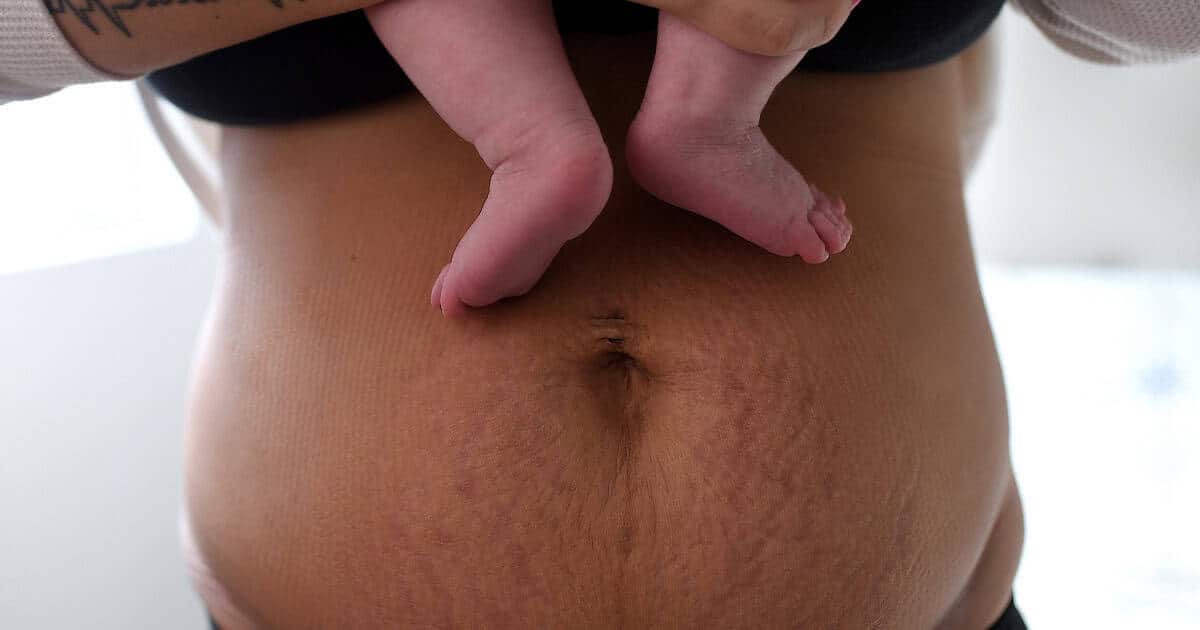
It often happens in those quiet days at home with your new baby. You catch a glimpse of yourself in the mirror and think, “This isn’t the body I remember.”
Then the quiet panic. “Wait… Is this normal??”
You expected stretch marks, but your stomach feels like it doesn’t belong to you. Your hips ache, and you’re a little wobbly. Running a brush through your hair can leave you with clumps of hair and a sinking feeling. These postpartum body changes can feel surprising.
Some nights you wake up drenched in sweat. Your emotions swing wildly – crying one minute, furious the next.
Does any of this sound familiar?
We’ve been there, too, and you’re not imagining it.
These postpartum body changes are a normal, expected part of recovery. Most of what you’re experiencing is not only normal—it’s expected. But just because it’s normal does not mean it’s easy.
Why Your Body Feels Different During Postpartum Recovery
To understand your postpartum body changes, let’s zoom out and look at the bigger picture of what you have just gone through.
Your body just spent nine months…
Growing a human…
By itself.
It was your baby’s only source of safety, nourishment, and growth. Organs moved to make room. Muscles stretched. Hormones rose to support your baby.
And after all that, your body labored intensely to deliver that little life into your arms.
Now, your body is entering an enormous recalibration phase, healing and adapting to your new normal.
Several things happen at once:
- Pregnancy hormones drop quickly
- Your body begins producing milk
- Stretched tissues begin repairing
- Organs gradually move back into place
That’s a lot of change happening all at once.
These kinds of postpartum body changes can feel intense, especially in the early weeks.
Many mothers feel pressure to “bounce back” after having a baby. While it’s natural to long for what’s familiar, remember that your body just successfully performed the most intense physical demands of its life.
Healing takes time. And these changes are simply part of that process.
Now let’s take a closer look at specific body changes during the postpartum recovery process.
Hormonal Changes During Postpartum Recovery
One of the biggest postpartum changes you may notice is nearly invisible… your hormones.
After birth, your hormones rapidly shift to support you and your baby.
During this time:
- Estrogen drops
- Progesterone drops
- Oxytocin rises to help you bond with your baby
- Prolactin increases to support breastfeeding
That’s a lot of hormonal movement in a very short period of time and often on little to no sleep. Hormones are powerful, so when they shift, your body feels it.
You may notice things like:
- Night sweats
- Mood swings
- Emotional sensitivity
- Fatigue
- Changes in your hair, skin, or appetite
We know just how unsettling and alarming this is, suddenly feeling like you don’t know yourself anymore. Thankfully, these changes are a sign that your body is doing exactly what it needs to do to heal and support you and your sweet baby.
During this season, remember: these effects are temporary. They subside as your hormones stabilize.
Why Your Core Feels Different After Pregnancy
Another big postpartum body change you may notice is in your core.
You might experience:
- A weaker core than before pregnancy
- Diastasis recti
- Changes in posture or stability
- A tired back
- Bladder leaks when you cough, laugh, or sneeze
These changes are incredibly common body during postpartum recovery.
Your abdominal wall just spent nine months continuously stretching and working to hold your growing baby. That’s Captain America level sacrifice and strength.
So instead of hurrying your core back to “normal,” show it patience and love. Slow, intentional recovery is sustainable. Rushing your recovery won’t do you any favors.
Hang in there.
Your body knows what it’s doing.
Pelvic Floor Changes After Birth
Some of the most surprising postpartum body changes happen in the pelvic floor.
These muscles sit at the base of your pelvis and support your uterus, bladder, and bowels. (Talk about a thankless job!) During pregnancy, they carried increasing weight as your baby grew, and during birth they stretched to allow your baby to be born.
That’s an enormous amount of work for a small group of muscles.
Because of this, you might notice:
- A sense of heaviness or pressure in your pelvis
- Soreness or sensitivity
- Discomfort in your pelvis during certain movements
As uncomfortable as they may be, these changes are all common in the postpartum recovery process. With time and a little TLC, these muscles can gradually regain strength. Many mothers benefit from gentle pelvic floor exercises to gradually rebuild stability.
We recommend seeing a pelvic floor therapist who can address your pelvic area as well as your abdominal core area. Our doulas can make customized recommendations from our curated list of professionals.
Breast Changes During Postpartum Recovery
You might be surprised by the sudden changes in your breasts.
After birth, your body begins producing milk to nourish your baby, making your breasts feel full, tender, and heavy.
Amazing? Yes.
A little overwhelming at first? Also yes.
Some mothers experience engorgement early in their postpartum recovery. This happens when your milk first comes in, making your breasts feel intensely full and uncomfortable.
It’s also very common for your breasts to change in size, sometimes multiple times! Your skin and nipples may feel sensitive as your baby learns to latch.
Hour by hour, your body’s learning how to meet huge new demands. That requires significant adjustment. As you and your baby settle into a rhythm, many of these intense sensations settle down. If it feels awkward or overwhelming right now, you’re not doing anything wrong.
Your body is simply learning a new skill. And like most new skills, it takes a little time to find your sweet spot.
Emotional and Cognitive Changes After Birth
Some of the most unexpected (and difficult) postpartum body changes don’t show up in your mirror, but in your mind and heart.
For many mothers, this season feels tender and raw. Your body just went through the intensity of pregnancy and birth, and now everything else has to catch up. All while you’re taking care of a brand new human who depends on you for absolutely everything.
You might notice changes like:
- Brain fog or forgetfulness
- Feeling emotionally sensitive or tearful
- Becoming easily overwhelmed
- Trouble focusing
- Feeling like you’re not yourself
Many new mothers also experience matrescence, the identity shift of becoming a mother. It’s very common to feel both deep love for your baby and real grief for your pre-baby life.
Whew. That’s a LOT for one person to hold.
We see you.
If you don’t feel like yourself right now, that’s completely okay. You don’t have to. Take it one day at a time. These feelings will subside as you adjust to your new normal.
And remember, you’re not alone.
Finding the Right Postpartum Doula Support
Postpartum recovery—and all the body changes that come with it—asks a lot of you. Your body hurts in weird places. Your baby needs you around the clock. You’re trying to remember when you last ate a meal… or slept longer than 90 minutes.
And despite what culture suggests, postpartum recovery was never meant to be done alone.
This is where postpartum doula support can truly change your experience—giving you the space to rest, recover, and adjust with more ease.
Now imagine that your baby finally drifts off to sleep after hours of fussing. You’re exhausted, but afraid to move in case you wake them.
Your postpartum doula gently lifts the baby from your arms. “I made you lunch,” she says with a warm smile. “Go eat.”
A few minutes later you’re eating a real meal while someone else rocks your baby and handles your busy world. Your tired shoulders and mind relax. The house is calm. Your only job is to rest, heal, and bond with your baby.
Here at Buddha Belly Doulas, we’ve supported hundreds of families through postpartum recovery.
Our postpartum doulas step in to support your home, your baby, and you—so everything feels a little more manageable.
Our postpartum doula support includes:
- Daytime newborn care
- Overnight care so you can rest
- Breastfeeding guidance
- Emotional support
- Household help
- Sibling support
Sometimes the greatest gift for a new mother is another peaceful, experienced presence in the room. Someone who understands postpartum recovery, doesn’t judge you, and who carries the load for you.
If you’re curious about what postpartum doula support could look like for your family, we’d be honored to talk with you here, and don’t miss our Postpartum Recovery Guide for Tampa Families.
Also check out: 5 Postpartum Nutrition Tips from a Certified Nutrition Coach

Christie Rinder is the founder of Buddha Belly Doulas, Tampa Bay's original and largest doula agency. Supporting families since 2009, she's passionate about ensuring every family has the support they need during pregnancy, birth, and postpartum. She believes in helping women recognize their own inner wisdom, strength and power.
Having served as President of the Tampa Bay Birth Network for six years and 17 years serving families as a doula and agency owner, she has a reputation for leadership, dedication and compassion. A childbirth educator, certified lactation counselor as well as a certified doula, she makes a point of ensuring mothers and their partners understand all their birthing options and what to expect on their journey. > learn more about Christie



Enjoy our popular guides to all things pregnancy, birth, postpartum and baby.

Tampa Pregnancy Guide
Your pregnancy journey is uniquely yours. From first trimester essentials to birth prep and postpartum planning, we’ll walk you through...

Your Guide to Hiring a Doula
Hiring a doula can be a game-changer, but knowing where to start isn’t always easy. This guide walks you through...
Labor & Birth Preparation Guide
Birth looks different for every family, and thoughtful preparation makes all the difference. Learn the basics of creating a birth...

Postpartum Recovery Guide
The weeks after birth are transformative and often the least talked about. Learn about: the physical and emotional sides of...