

Do I Need a Doula for a C-Section or an Epidural?
If you’re not planning an unmedicated birth, do you really need a doula? This is a common question pregnant women ask when they’re planning to have an epidural or scheduled C-section.
Maybe your surgery date is already on the calendar. Or maybe you’ve decided you’ll 100% be getting an epidural.
You know you want a calm, well-supported experience. And you appreciate modern medicine and the safety it provides.
But here’s the thing: some people assume doulas are only helpful during long, unmedicated labors. And if you’re having surgery or receiving pain medication, the need for doula support somehow disappears.
Birth doula support isn’t solely about managing pain.
It’s about how you want to feel during one of the most significant moments of your life.
In fact, many families in the Tampa Bay area choose to hire a doula for labor even when planning an epidural or a scheduled C-section.
What Most People Think a Doula Does
Before deciding whether you need one, it helps to get clear about what a doula is.
When some people hear the word “doula,” they picture the following:
- A natural birth, maybe even at home
- No epidural
- Long hours of intense contractions
If pain medication is part of your plan, or if your surgery is already scheduled— what would a doula actually do?
How a Doula Supports Birth When an Epidural or C-Section Is Planned
First off, let’s throw some common misconceptions out the window. We’re not here to prevent you from taking pain medication. And we’re not here to push a specific type of birth.
A birth doula provides continuous support, no matter what type of plan you have. That includes:
- Emotional support during your labor or surgery
- Thoughtful preparation in the weeks leading up to birth
- Helping you understand and navigate medical decisions as they arise
Many women who hire a doula for labor have planned hospital births with epidurals. In fact, many families here in the Tampa Bay area choose doula support specifically because they want someone focused on their emotional experience during a hospital birth.
Others choose a doula for a scheduled C-section because they want support preparing before hand and navigating recovery.
It’s all about feeling informed, calm, and supported during this time.
If You’re Planning a C-Section
Maybe you had a C-section planned from the beginning. Or maybe it became the best choice after conversations with your doctor. Either way, when your surgery is scheduled, birth can feel very different from what you originally imagined.
So, once your C-section is on the calendar, the question often follows: Does hiring a doula for a C-section still make sense?
A planned C-section has structure. There’s a set time, a surgical team, and a clear sequence of events. But even with that structure, you’re still moving through a major life transition.
You might want someone:
- to help you prepare emotionally in the weeks leading up to surgery
- to keep you calm before you enter the operating room
- focused on you and your partner once your baby arrives
- present in recovery as you process what happened
- to help you with lactation support which can be more complicated after a C-section
A doula doesn’t replace your medical team. We support you through the entire birth experience.
How a Doula Supports a Planned C-Section
Before surgery, a doula for a C-section helps you decide on your preferences. That may include discussing gentle cesarean options, skin-to-skin timing, music in the operating room, delayed cord-clamping and other newborn procedures, or how you’d like your partner involved.
On the day of birth, support can look like:
- Helping you feel grounded before you enter the operating room
- Walking your partner through what to expect so they don’t feel overwhelmed
- Advocating for small but meaningful preferences when appropriate
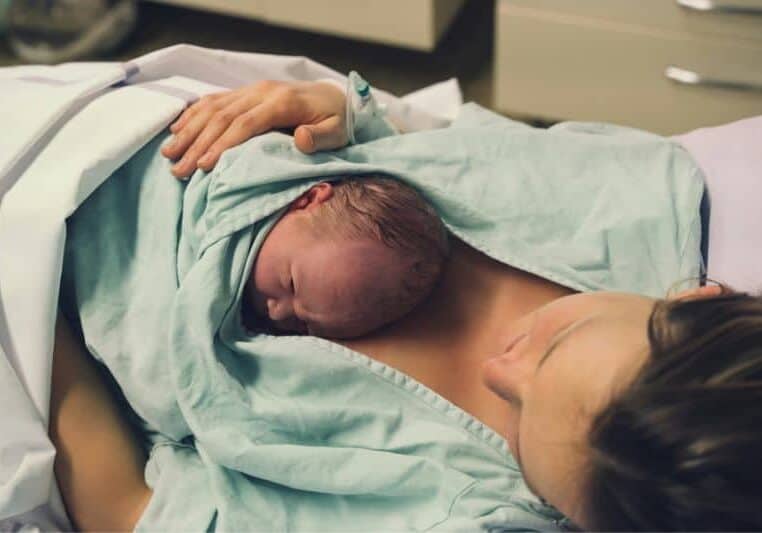
- Supporting early skin-to-skin and feeding in recovery
After birth, support continues as you begin healing. A cesarean is a major abdominal surgery. Many parents are surprised by how much emotional processing and physical recovery happens after a surgical birth.
Recovery takes time. We help answer questions that come up later and support you as you adjust physically and emotionally.
If You’re Planning an Epidural
You’ve chosen to plan for an epidural after thoughtful consideration. Knowing pain relief is available can ease your mind well before labor starts.
It reduces the intensity of your contractions, allows you to rest, and creates space for you to breathe while giving birth. So, if the epidural eases the pain, why would you still need a doula?
Yes, an epidural changes how labor feels, but it doesn’t change the fact that your body is still working and your baby is still moving toward birth.
Pain relief and doula support serve different purposes. One addresses physical sensation. The other helps you move through labor with reduced anxiety and increased confidence.
Even with effective pain management:
- Positioning still influences how baby moves through your pelvis
- Conversations with your provider may require clarification
- Your partner may need reassurance or guidance
- When things change, you may want to talk through decisions with your doula
Research shows that continuous labor support improves birth outcomes and overall satisfaction. Women with consistent support are more likely to report a positive birth experience.
How a Doula Supports Epidural Birth
Many people are surprised to learn that doulas frequently support hospital births where an epidural is planned or expected. Doulas focus on practical, moment-to-moment care. That often includes:
- Suggesting and supporting optimal positioning in bed to encourage continued progress
- Helping your partner stay involved and confident, so they can focus on supporting you instead of worrying about whether they’re doing the “right” thing.
- Explaining medical language in plain English so you understand what’s being recommended
- Staying present during pushing and the transition to meeting baby
Obstetricians and nurses monitor you and your baby’s physical safety and respond to medical needs as they arise. They may step in and out to care for other patients, and shifts change throughout labor.
A doula’s focus is entirely on you.
Having someone consistent to help you slow down, ask questions, and understand your options can change how those moments feel.
When a Doula Is Especially Helpful (Even With Interventions)
Every birth is different.
You might feel fully supported with the medical system alone. Or you might find having one consistent person there for you makes a meaningful difference, even if you’re planning an epidural or a C-section.
These are some situations where having a doula is especially helpful, even with planned interventions:
- First-time moms – If this is your first baby, you might not know what’s typical, what’s optional, or when to ask for more information. When you have someone beside you who is trained and experienced, you don’t have to navigate those moments alone.
- IVF pregnancies – When pregnancy follows fertility treatment, it often carries layers of emotion. Years of waiting, appointments, loss, or uncertainty don’t disappear on the day you give birth. Continuous support during labor can help honor the emotional weight of that journey.
- A history of loss or birth trauma – If you’ve experienced miscarriage, stillbirth, or a difficult previous birth, labor can bring up complex emotions. Ongoing support gives you space to feel what you’re feeling without having to explain or minimize it.
- You want more than medical management – Medical teams focus on safety as their top priority. But you may want safety AND undivided, personal attention to your emotional and mental state on this big day.
Are Doulas Worth It If You’re Planning an Epidural or C-Section?
Many parents ask whether hiring a doula is worth it if they already know they’ll have an epidural or a scheduled C-section. For many families, the value isn’t about avoiding interventions — it’s about having a calm, steady presence guiding them through a meaningful life moment.
Birth can still feel overwhelming, even when the plan is clear and the medical team is excellent. A doula helps create a sense of steadiness, supporting both the birthing parent and their partner so they can stay present and connected as they welcome their baby.
What Feels Right to You?
If you’re planning a C-section or choosing an epidural—you’re choosing the kind of birth that feels safest and most aligned for you.
The real question isn’t whether you “need” a doula.
It’s whether you want continuous support in the delivery room. Someone focused on you, your partner, and how the experience feels as it unfolds. Some women feel fully supported without that additional layer. Others find it makes all the difference.
There’s no right or wrong answer.
What matters most is that you feel informed, respected, and supported when baby comes.
If you’re exploring doula support for your upcoming birth, we’d love to talk with you. Reach out to our team to learn how we support families through epidurals, planned C-sections, and every kind of birth experience.
Frequently Asked Questions
Do you need a doula for a C-section?
You may not medically “need” a doula for a C-section, but many women find that having one changes how they feel throughout the experience.
A doula for a scheduled C-section provides emotional preparation before surgery, steady support during the birth if hospital policy allows, and continued presence in recovery. Even when birth happens in an operating room, the need for reassurance and calm emotional support doesn’t disappear.
Are doulas allowed in the delivery room for a C-section?
In some hospitals, doulas are allowed in the delivery room, including for planned cesareans. Policies can vary by hospital and situation, so it’s always best to confirm with your provider in advance. For example, Tampa General Hospital, allows doulas that are trained through their in-house Doula OR training program, into the operating room with families that are having a c-section.
If your doula is allowed in the delivery room, she will focus on emotional support so you never feel alone, answering your questions, and early bonding once your baby arrives.
Do you need a doula if you have an epidural?
An epidural manages pain. A doula supports the overall experience.
Many women who plan to have an epidural still choose a doula for labor because they want continuous support, help interpreting medical information, and a steady, trusted presence in the room.
Pain relief and support serve different purposes, and they can work beautifully together.
What does a doula do during pregnancy?
During pregnancy your doula provides education long before labor begins and helps you to prepare for the experience. This may include discussing birth preferences, reviewing hospital procedures, practicing comfort techniques, and talking through potential scenarios.
Is a doula only for “natural” birth?
No. Doulas support all types of birth — unmedicated, medicated, planned C-sections, and unexpected changes in plans.
The role of a doula is not to only promote a specific type of birth. It’s to provide continuous, non-medical support so you feel informed, respected, and cared for throughout your experience.
Can you have both a doula and an epidural?
Yes. Many families choose to have both. An epidural manages pain relief, while a doula provides continuous emotional support, guidance, and reassurance throughout labor. The two types of support work together and serve different purposes.
Trying to decide between hiring a Birth Doula or a Postpartum Doula? Learn more about which one we recommend most here.
Also check out: Helpful Recovery Steps For C-Section Healing Week-by-Week and Yes, Doulas Are For Cesareans, Too

Christie Rinder is the founder of Buddha Belly Doulas, Tampa Bay's original and largest doula agency. Supporting families since 2009, she's passionate about ensuring every family has the support they need during pregnancy, birth, and postpartum. She believes in helping women recognize their own inner wisdom, strength and power.
Having served as President of the Tampa Bay Birth Network for six years and 17 years serving families as a doula and agency owner, she has a reputation for leadership, dedication and compassion. A childbirth educator, certified lactation counselor as well as a certified doula, she makes a point of ensuring mothers and their partners understand all their birthing options and what to expect on their journey. > learn more about Christie




Enjoy our popular guides to all things pregnancy, birth, postpartum and baby.

Tampa Pregnancy Guide
Your pregnancy journey is uniquely yours. From first trimester essentials to birth prep and postpartum planning, we’ll walk you through...

Your Guide to Hiring a Doula
Hiring a doula can be a game-changer, but knowing where to start isn’t always easy. This guide walks you through...
Labor & Birth Preparation Guide
Birth looks different for every family, and thoughtful preparation makes all the difference. Learn the basics of creating a birth...

Postpartum Recovery Guide
The weeks after birth are transformative and often the least talked about. Learn about: the physical and emotional sides of...